

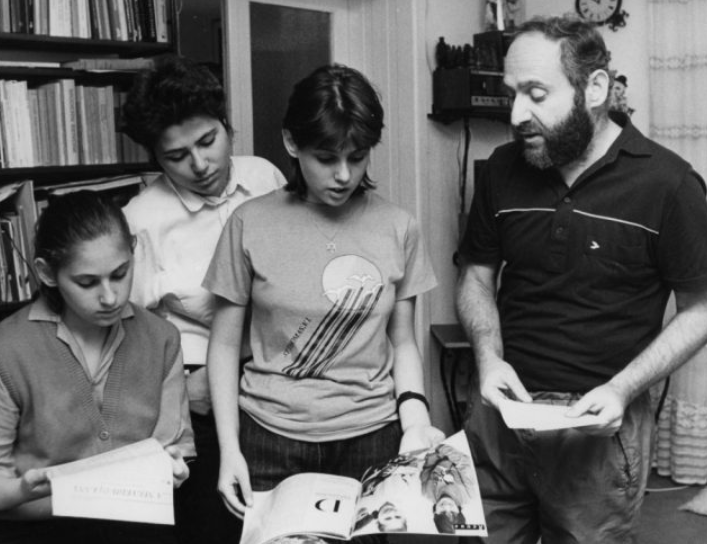
Laszlo Polgar intentionally raised three daughters—Zsuzsa, Zsófia, and Judit—to be world-class chess players. He did this as an experiment to support his philosophy that Geniuses are made, not born. While controversial, he no doubt proved his methodology and not only raised the strongest group of female chess players of all time, but his daughters became well-rounded, happy, and successful in many areas. In his recently translated book, “Raise a Genius”, Laszlo lays out his child-rearing thesis for helping a child become a domain-specific genius while remaining well-adjusted and joyful. Here are how his principles can be translated into the sport of hockey (or any other endeavor).
1. Start Early and Intentionally
Polgár began training his daughters from a very young age. He believed early immersion in a structured, loving learning environment could produce world-class talent. Without early introduction, a child can be good, but not great, in a specific domain. The activity of choice should be interesting and enjoyable for the child.
Hockey Application:
Introduce your child to hockey fundamentals early—skating, stickhandling, and game sense. Focus on creating joy and curiosity, not pressure. Make hockey feel like a game of discovery rather than obligation.
2. Create a Mentally Stimulating Environment
Polgár transformed his home into a mini-academy, filled with books, puzzles, and a steady stream of intellectual challenges. This way, his girls couldn’t help but naturally interact with the resources that would most likely lead to the outcomes Laszlo intended for them.
Hockey Application:
Create a home environment rich with hockey knowledge: videos of classic games, books on hockey strategy and fun stories, whiteboards for drawing plays, access to documentaries and interviews with greats like Wayne Gretzky or Sidney Crosby. Encourage tactical thinking, not just athleticism. Perhaps more importantly, limit distractions and time-wasting activities like excessive TV, gaming systems, etc. The best players in the world were often on the backyard rink, playing street hockey, and immersing themselves in the game they loved.
3. Consistent, Focused Practice
Polgár emphasized deliberate, targeted practice every single day. His daughters didn’t just play—they trained systematically. If you’re going to practice, the practice should be intentional and not purely made of repetition for its own sake.
Hockey Application:
Replace random shooting in the driveway with specific skill drills. Give your young player a few small things to think about when practicing any specific skill: stick placement, hand placement, weight transfer, wrist mechanics, etc (in the shooting example).
4. Education First—But Reimagined
Polgár homeschooled his daughters so their education could serve their training, not compete with it. He never compromised academic depth—he just aligned it with their goals. It’s worth noting that he homeschooled under communist rule, which speaks to the necessity of outside education and the determination required on his part to direct the education of his daughters.
Hockey Application:
Consider flexible schooling options that support training and travel while also building a strong academic base for the child. Educate them in sports psychology, nutrition, biomechanics, and related areas that draw the attention and enthusiasm of the young athlete. *Remember, we’re theorizing about creating domain-specific expertise in young people, not suggesting that any of these recommendations are what is best (or feasible) for a child or family.*
5. Normalize High Standards
In the Polgár household, excellence was the expectation, but never at the cost of emotional safety. High standards were held within a warm, nurturing environment. Benchmarks for children are often a sign of love and the parents’ commitment to creating opportunities for their growing youngsters, assuming that the parents’ care and commitment match the expectations of the child.
Hockey Application:
Expect your child to take their endeavours and commitments seriously, but make it a positive pursuit. Celebrate effort more than outcomes. And more importantly, model discipline in your own life. Show them what mastery looks like—not just in hockey, but in anything. There’s nothing worse than an adult who barks orders without leading by example.
6. Community and Competition
Polgár brought in world-class coaches and arranged for regular competition to keep the learning curve appropriate and social. It’s essential for kids (at some point) to be surrounded by peers with the same goals, ethics, and support system as they do while pursuing their achievements.
Hockey Application:
Find or build a community that values development over trophies and proper challenge rather than coddling. Expose your child to various hockey cultures (if possible). Let them play against kids who are.
7. Teach Autonomy and Purpose
Polgár’s daughters weren’t forced into chess—they were guided and encouraged until they took ownership of their paths. The environment was always fun and low-pressure, but with endless resources and parental attention.
Hockey Application:
Let your child feel this is their journey. Give them a voice in their goals and time commitments while providing as many resources and opportunities as is reasonable. Ask questions like, “What kind of player do you want to be?” or “What do you love most about the game?” When they know why they train, they’ll never need to be pushed.
Final Thought:
László Polgár didn’t just raise chess geniuses. He raised passionate, self-motivated learners who went on to accomplish many things in multiple domains, all while recalling the experience as overwhelmingly positive. Most children are not on the path to the NHL, nor should they be expected to attain any specific level of play. But this approach can help them become not only elite athletes, but more importantly, elite humans. Purpose, confidence, and esteem are transferable to all areas of life, no matter what activity was leveraged to build these essential traits. And perhaps most importantly, the parental commitment required to carry out a plan such as Polgar’s requires incredible attention, care, and commitment by the parent, ensuring constant bonding and a family-oriented environment.

 GRIT Hockey
Leave a comment